
Imagine steering your small business towards tremendous growth, only to be derailed by unforeseen challenges that could have been mitigated with the right insurance. In today’s unpredictable world, having robust insurance coverage isn’t just an option—it’s a necessity. For small businesses, insurance acts like a safety net, safeguarding against the unexpected twists and turns of entrepreneurship.
Whether it’s a slip and fall in your store or a sudden storm wreaking havoc on your property, the risks are real, and the stakes are high. That’s why understanding essential insurance types for small businesses can be your guiding star. With the right coverage, you don’t just protect your assets; you empower your business to thrive, come what may.
Introduction to Small Business Insurance
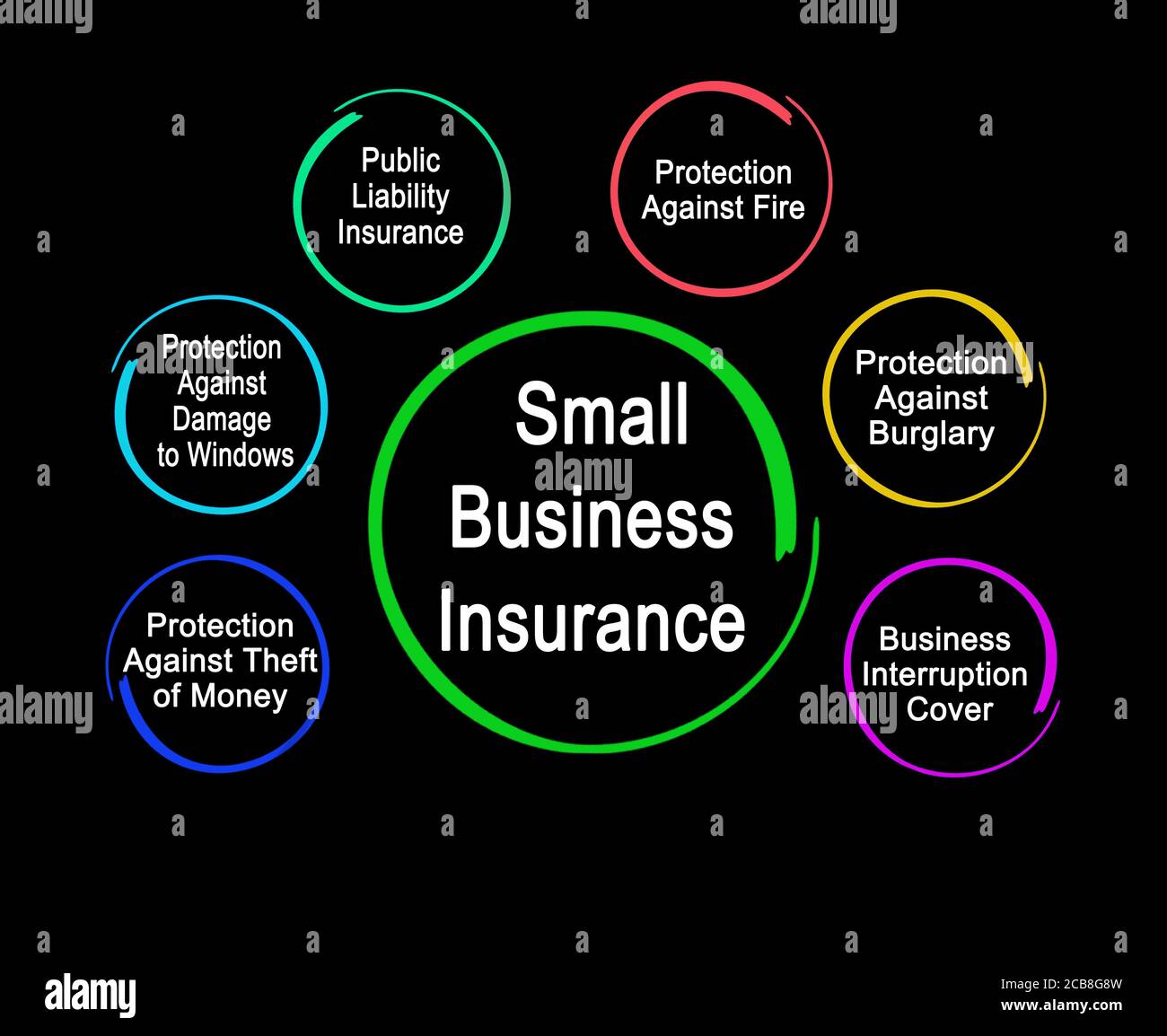
Small businesses are the backbone of the economy, bustling with innovation and entrepreneurial spirit. Yet, in the face of uncertainties, having the right insurance can be the difference between thriving and merely surviving.
Insurance shields small businesses from unforeseen challenges that could otherwise disrupt operations or lead to financial ruin. By understanding and mitigating risks, business owners can focus on growth and stability.
Understanding the Risks in Small Business Operations
Small businesses face a myriad of risks daily—from natural disasters striking at the heart of operations, to legal liabilities arising from customer interactions. Business interruption due to events like fires or floods can halt operations, while cyber attacks can compromise sensitive data, leading to loss of trust and potential lawsuits.
Imagine a bustling café that experiences a kitchen fire. Without insurance, the cost of repairs and lost revenue could be crippling. However, with the right policy, the same café can cover repair costs, replace lost income, and get back to serving its loyal customers in no time.
Real-Life Examples of Insurance in Action
Consider the story of a boutique clothing store that suffered a substantial data breach. Thanks to its comprehensive cyber liability policy, the business not only managed the crisis effectively but also funded necessary security upgrades to prevent future breaches. Another example is a small manufacturing firm that faced a product liability claim. The insurance coverage enabled the company to settle the claim without exhausting its capital reserves, safeguarding its reputation and financial health.
Insurance isn’t just a safety net; it’s the sturdy foundation small businesses need to build their dreams upon.
General Liability Insurance

Every small business owner knows that with great ventures come great responsibilities. General Liability Insurance acts as a safety net, protecting your business from unexpected claims and potential financial pitfalls.
This type of insurance covers a wide array of liabilities, including bodily injuries, property damage, and personal and advertising injuries caused by your business operations.
Essential Situations for General Liability Insurance
Picture this: a customer slips and falls in your store, or perhaps an advertisement inadvertently infringes on another company’s copyright. These are just a couple of scenarios where general liability insurance becomes indispensable. It safeguards your business by covering legal fees, medical expenses, and settlements or judgments when incidents like these arise, ensuring you’re not left in a financial bind.
Benefits of Having General Liability Insurance
Here’s why securing general liability insurance is a smart move for any small business owner:
- Protection against third-party bodily injury claims
- Coverage for property damage caused by your business operations
- Legal defense costs are covered
- Financial security against advertising and personal injury claims
- Peace of mind knowing your business is protected from unforeseen liabilities
Property Insurance
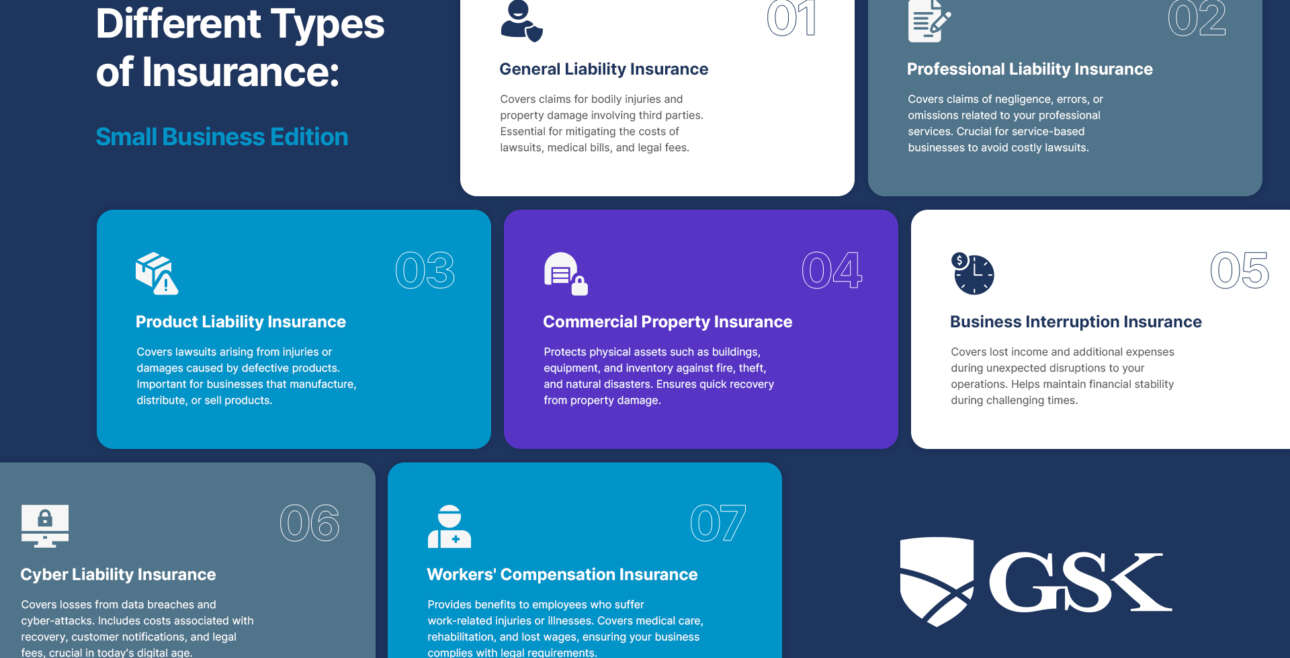
Imagine the peace of mind knowing that your business assets are protected from the unexpected. That’s the magic of property insurance. It’s an essential shield for your small business, safeguarding your physical assets against damage and loss.
Property insurance provides a critical safety net by covering your business’s physical properties from risks such as fire, theft, and certain natural disasters. This type of insurance is indispensable for ensuring that your business can recover and continue operations without crippling financial setbacks.
Understanding Coverage for Business Properties
The scope of property insurance is vast, offering protection for buildings, equipment, inventory, and even furniture. Whether your business operates from a cozy office, a bustling storefront, or you have valuable equipment, property insurance ensures these are covered. However, it’s crucial to note that certain events may not be covered, such as floods or earthquakes, unless explicitly included in your policy. This is why understanding the nuances of your coverage is vital to fully harness its benefits.
| Type of Property | Coverage | Exclusions | Examples |
|---|---|---|---|
| Buildings | Damage from fire, vandalism, and theft | Floods, earthquakes | Main office, retail store |
| Equipment | Repair or replacement costs | Wear and tear | Computers, machinery |
| Inventory | Theft and damage coverage | Damage from pests | Stock in a warehouse |
“Property insurance is not just an expense; it’s an investment in the longevity of your business.”
Business Interruption Insurance
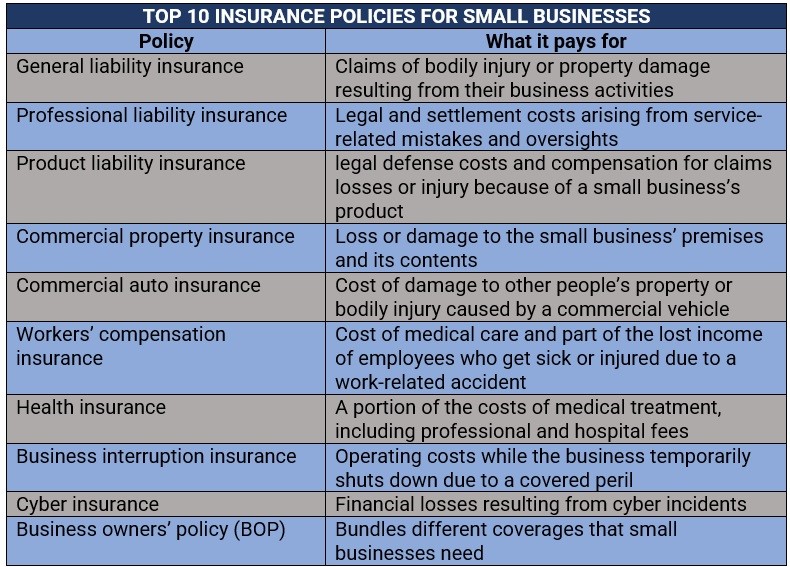
Picture this: Your bustling small business is suddenly halted not by choice, but by an unforeseen event. Business interruption insurance steps in to shield you from financial distress during such times.
This essential coverage ensures that even when your doors are temporarily closed, your financial health remains robust, allowing you to focus on getting back on track without the burden of debilitating losses.
Securing Your Business Against Interruptions
Business interruption insurance is more than just a safety net; it’s a promise of resilience. When calamity strikes—be it a natural disaster or a fire—this insurance compensates for the income you would have earned under normal operating circumstances. It covers operational expenses, such as rent and payroll, maintaining the lifeline of your business.
The Claim Process: Your Pathway to Recovery
When disaster disrupts your business, initiating a claim is the first step toward recovery. Documenting the event thoroughly is crucial. Capture photographs, gather official reports, and maintain detailed records of financial impacts. Promptly inform your insurance provider, providing all necessary documentation to substantiate your claim.
Insurance adjusters will assess the situation, and with the right documentation in hand, the process becomes smoother. Patience and persistence are key, ensuring that your business can resume operations as swiftly as possible.
Events That Trigger Business Interruption Claims
Numerous scenarios can halt your daily operations, and understanding these can help you better prepare. Here are some examples:
- Natural disasters like hurricanes, earthquakes, or floods.
- Fires that damage critical infrastructure.
- Vandalism or theft leading to significant asset loss.
- Government-mandated closures for public safety.
Each of these events can be devastating, but with the right insurance, your business doesn’t have to bear the burden alone. Remember, it’s not just about surviving the storm; it’s about thriving in its aftermath.
Workers’ Compensation Insurance
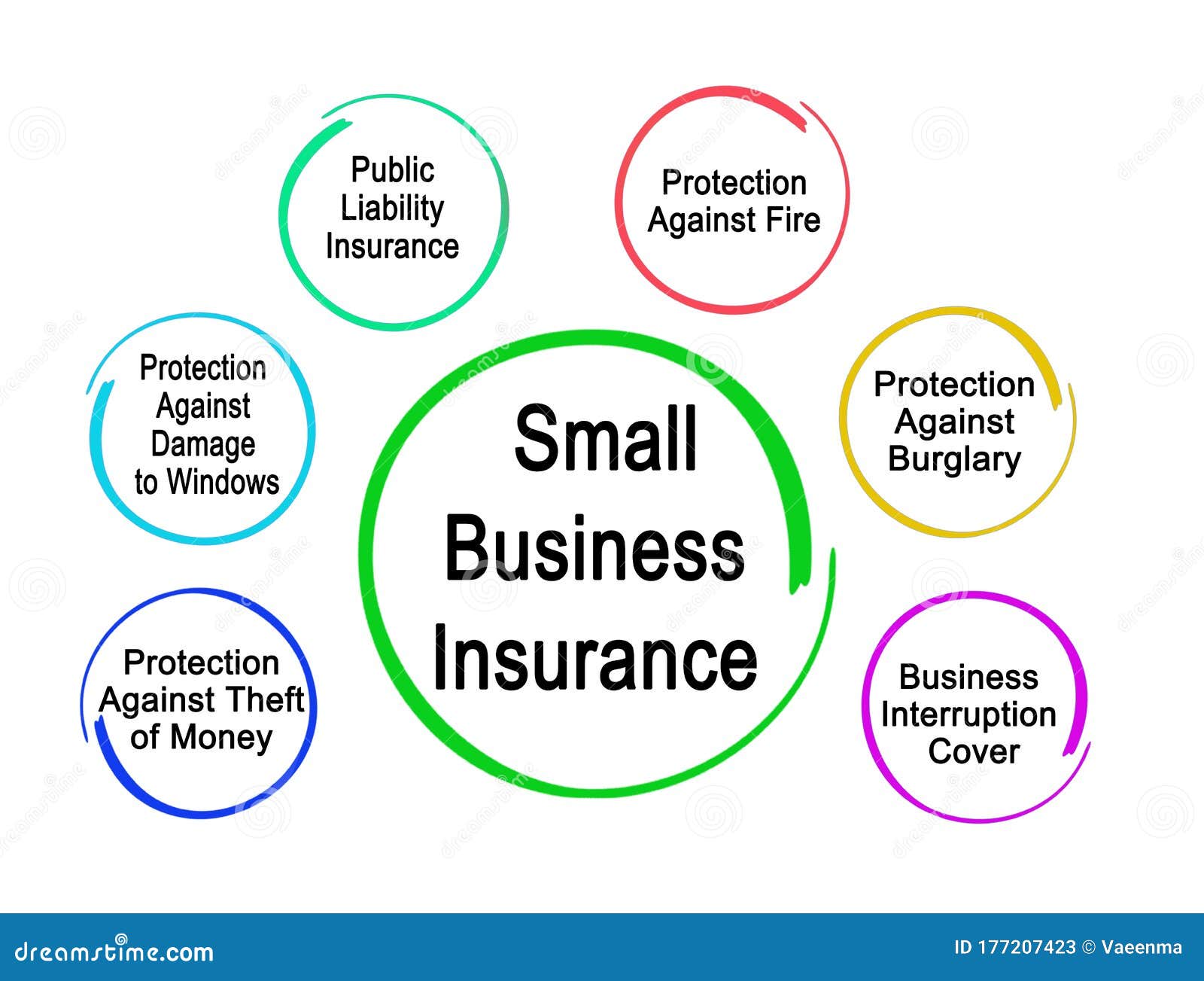
Dive into the safety net that protects your business and your valuable employees. Workers’ compensation insurance is more than just a legal requirement—it’s a commitment to your team’s well-being.
Small businesses must navigate a labyrinth of requirements when it comes to workers’ compensation insurance. This type of insurance is mandatory in most states, designed to cover medical expenses and lost wages for employees who become injured or ill due to their job. By ensuring you’re compliant with these regulations, you’re not only avoiding penalties but also fostering a safer, more supportive work environment.
Benefits for Employers and Employees
For employers, having workers’ compensation insurance minimizes the risk of lawsuits from employees for work-related injuries. It’s a financial safeguard that covers the costs associated with workplace injuries, ensuring your business isn’t held personally liable. For employees, it guarantees that they’ll receive essential medical care and compensation for lost income, providing peace of mind and security when it’s needed most.
Procedure to Apply for Workers’ Compensation Insurance
Securing workers’ compensation insurance for your business is a straightforward process when broken down into manageable steps. Follow this guide to ensure you’re protecting both your business and your employees:
- Determine Your State’s Requirements: Start by researching the specific workers’ compensation requirements in your state, as regulations can vary significantly.
- Assess Your Workforce: Evaluate the size and nature of your workforce to determine the type and amount of coverage needed.
- Select a Provider: Research and compare insurance providers that specialize in workers’ compensation to find the best fit for your business.
- Complete the Application: Fill out the insurer’s application form, providing necessary details about your business and employees.
- Implement Safety Measures: Once coverage is secured, implement workplace safety programs to reduce the risk of accidents and claims.
- Stay Informed and Compliant: Regularly review your policy and stay updated on any legislative changes affecting your coverage requirements.
Professional Liability Insurance
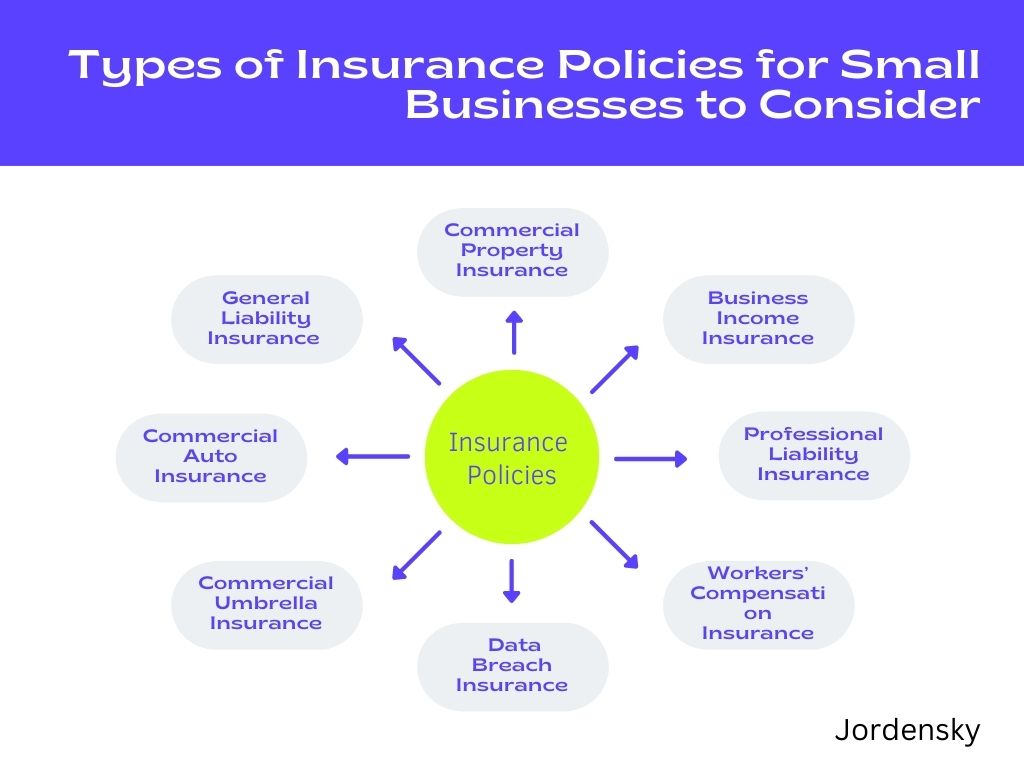
In the ever-evolving landscape of business, ensuring comprehensive protection against unforeseen professional mishaps is paramount. Enter Professional Liability Insurance, the shield against claims of negligence or mistakes in service delivery.
Unlike general liability, which covers physical injuries and property damage, Professional Liability Insurance, also known as Errors and Omissions Insurance, is tailored for businesses offering specialized services or advice. This insurance safeguards your enterprise from the potentially devastating financial repercussions of claims related to professional mistakes, missed deadlines, or incomplete work. It’s not just a safety net, but a strategic safeguard for your business reputation and financial health.
Why Professional Liability Insurance Stands Apart
While general liability insurance is crucial for every business, professional liability insurance caters specifically to service providers and consultants. These are industries where a single oversight can lead to legal claims and financial loss. Here’s how they differ:
General Liability Insurance covers bodily injury and property damage, whereas Professional Liability Insurance focuses on errors and negligence in professional services.
Consider a scenario where a consulting firm delivers a crucial report riddled with errors. The client, relying on this report for a strategic business decision, suffers financial loss due to the inaccuracies. In this situation, Professional Liability Insurance is essential, providing the financial resources to cover legal defense costs and potential settlements, all while maintaining the firm’s credibility.
Final Thoughts
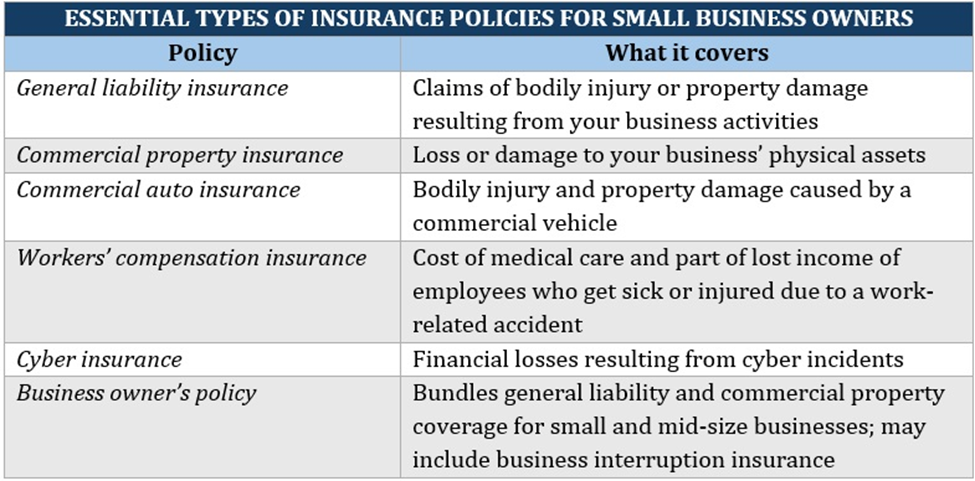
In the grand tapestry of running a small business, insurance weaves a vital thread of security and resilience. By investing in essential insurance types, you ensure that your business is not just surviving but thriving amidst challenges. Embrace the peace of mind that comes with knowing you’re covered, and let your entrepreneurial spirit soar without constraints. After all, your dream deserves to be protected.

