
Are you puzzled by the complex world of auto insurance in Massachusetts? With ever-changing legislation and a myriad of coverage options, it can be a daunting task to decipher what you truly need. But fear not, because we’re here to unravel the mystery of auto insurance and guide you towards making informed decisions that save you money while keeping you covered.
Picture this: you might be overpaying for insurance without even realizing it. By understanding the factors that influence your premiums and tapping into available discounts, you could significantly reduce your insurance costs. Dive into our comprehensive guide, and discover the strategies that Massachusetts drivers are using to keep their insurance expenses in check.
Understanding Auto Insurance in Massachusetts

Auto insurance in Massachusetts can seem like a complicated maze, but with the right guidance, you can navigate it like a pro. Let’s dive into the essential components and requirements to ensure you’re covered on the road.
Massachusetts mandates specific auto insurance coverages that every driver must have. It’s crucial to understand these requirements and the various options available to you.
Basic Components of Auto Insurance
Auto insurance is composed of several key elements that together provide a safety net for drivers. In Massachusetts, every policy includes bodily injury liability, property damage liability, and personal injury protection (PIP). These components are designed to protect not only you but also other road users.
Mandatory Insurance Requirements by the State
The Commonwealth of Massachusetts requires all drivers to carry certain types of coverage. The minimum required coverages include:
- Bodily Injury to Others: Minimum of $20,000 per person and $40,000 per accident.
- Personal Injury Protection (PIP): Covers up to $8,000 for medical expenses and lost wages.
- Uninsured Motorist Coverage: Minimum of $20,000 per person and $40,000 per accident.
- Property Damage Liability: Minimum of $5,000 per accident.
These coverages ensure that you meet the state’s financial responsibility laws, protecting you from potential legal hassles.
Common Auto Insurance Terms and Coverage Options
Understanding common auto insurance terms is crucial for making informed decisions. Here are some frequently encountered terms:
| Term | Description |
|---|---|
| Premium | The amount you pay for your insurance policy, usually monthly or annually. |
| Deductible | The amount you pay out of pocket before insurance covers the rest in the event of a claim. |
| Liability Coverage | Covers damages and injuries you cause to others in an accident. |
Additional coverage options such as collision and comprehensive coverage are available to enhance your policy. Collision covers damage to your vehicle from collisions, while comprehensive covers non-collision events like theft or natural disasters.
“Knowledge is your best insurance policy.”
Factors Influencing Auto Insurance Costs
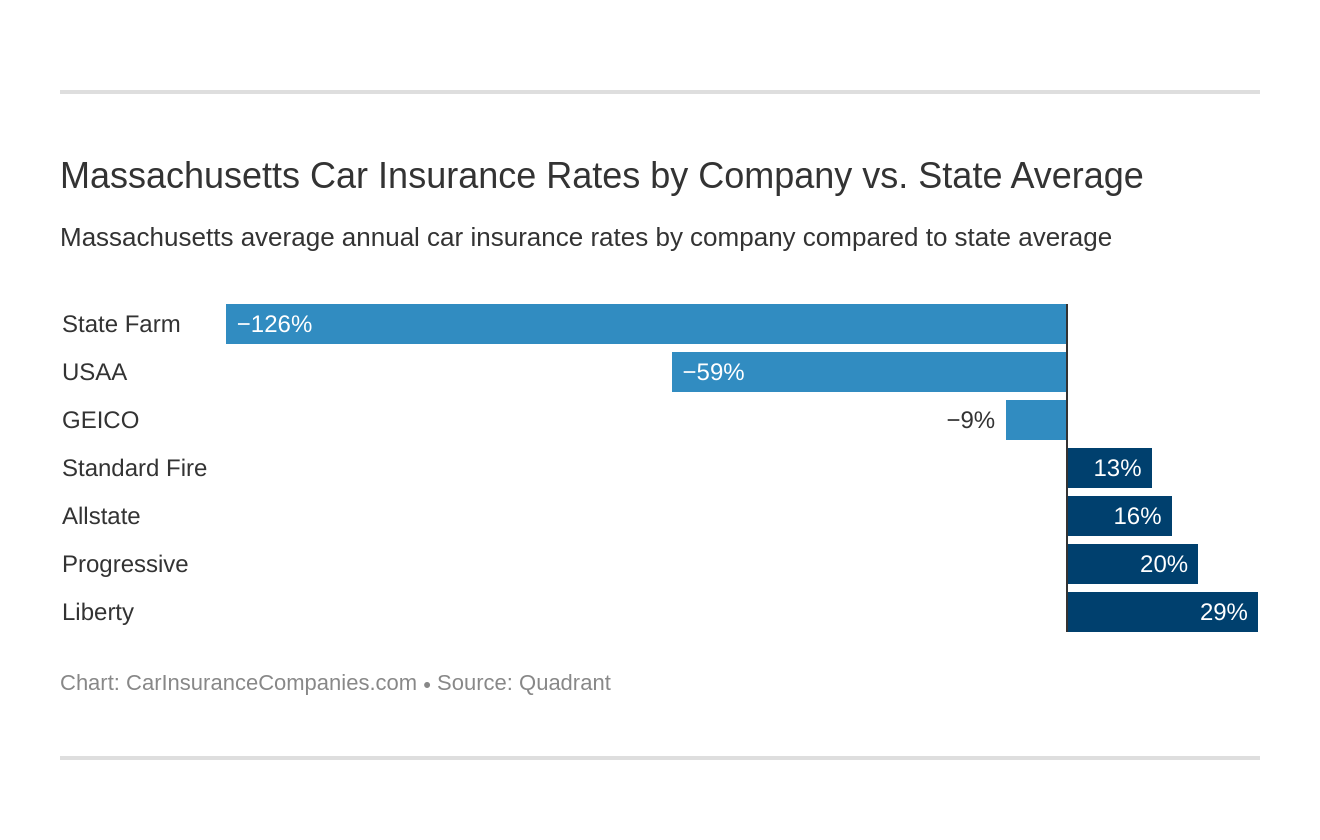
When it comes to auto insurance in Massachusetts, there’s more than meets the eye. A myriad of factors play a role in determining your premium, and understanding them can help you navigate the insurance landscape with confidence.
These factors are like the ingredients of a complex recipe, where each one adds a different flavor to the overall cost you end up paying. Let’s dive into these influential elements and see what makes your insurance premium tick.
The Impact of Driving History
Your driving history is akin to your credit score in the world of car insurance. Accidents, traffic violations, or even a clean record can significantly sway your rates. Insurance companies view a clean record as a sign of responsibility, often rewarding drivers with lower premiums. Conversely, a history peppered with incidents might signal higher risk, leading to increased costs.
Age: The Experience Factor
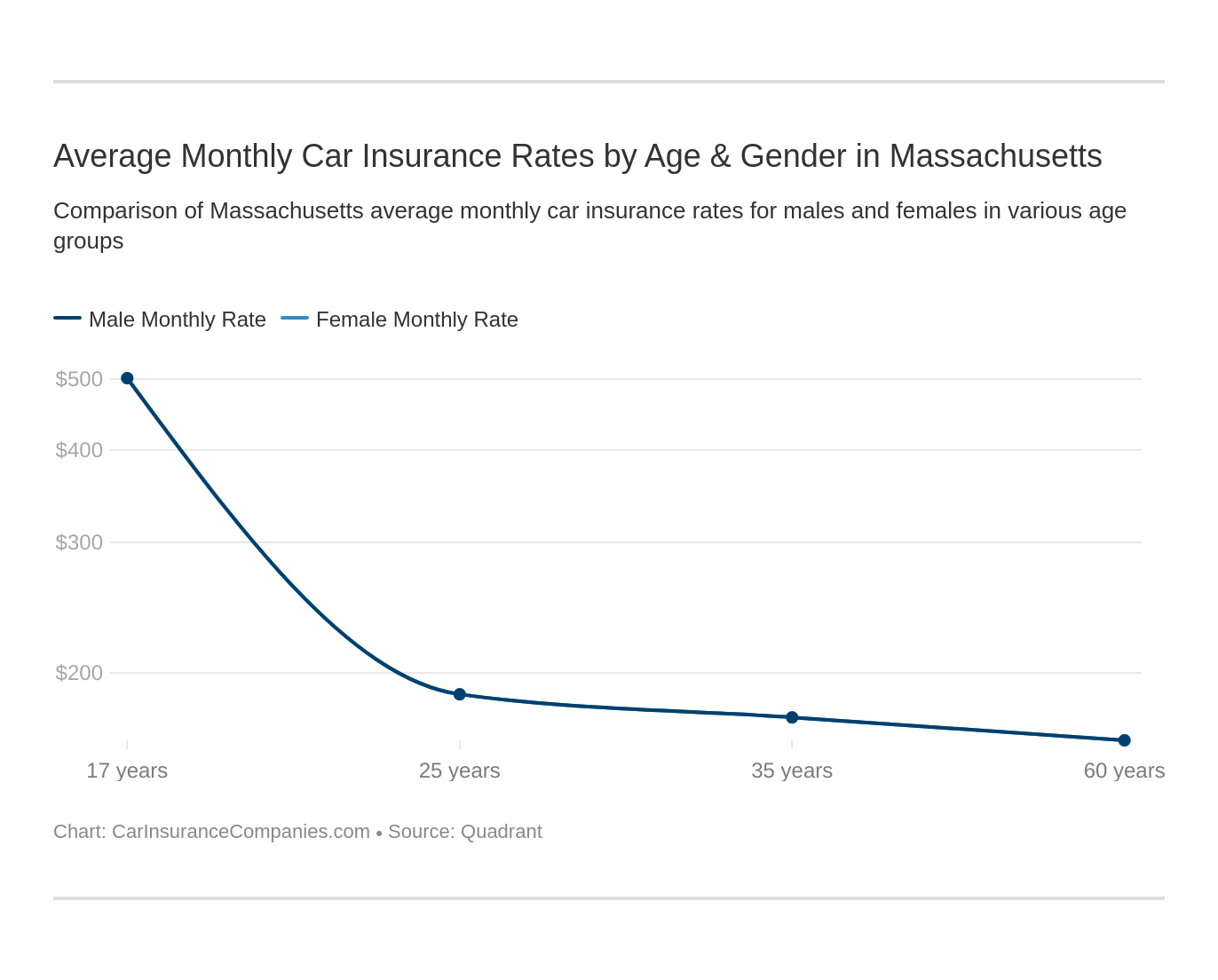
Age is more than just a number, especially in the insurance industry. It’s often perceived as a measure of experience. Young drivers, particularly teenagers, typically face higher premiums, which insurance companies justify with the notion of increased risk due to inexperience. As you edge into middle age, rates often stabilize, reflecting the benefit of accumulated years behind the wheel.
Vehicle Type: Luxury vs. Economy
The type of vehicle you drive can heavily influence your insurance costs. High-performance or luxury vehicles usually come with steeper insurance rates due to their expensive repair costs and increased likelihood of theft. On the other hand, driving an economy car might cushion your wallet, as these vehicles often enjoy lower premiums.
Here’s a table summarizing these factors and their impact on insurance rates:
| Factor | Potential Impact on Insurance Rates |
|---|---|
| Driving History | A clean record can lower rates; accidents or violations can increase them. |
| Age | Younger drivers often pay more; rates tend to decrease with age and experience. |
| Vehicle Type | Luxury and high-performance vehicles generally have higher premiums compared to standard models. |
Understanding these factors can be your secret weapon in the battle for better insurance rates.
Average Cost of Auto Insurance in Massachusetts
Massachusetts is known for its vibrant culture, historic landmarks, and unfortunately, its high auto insurance rates. But just how high are these rates compared to other states?
As drivers cruise through the beautiful roads of Massachusetts, they often face insurance costs that are significantly higher than the national average. This discrepancy is influenced by factors like population density, state regulations, and accident rates.
Comparing Average Auto Insurance Costs Across States
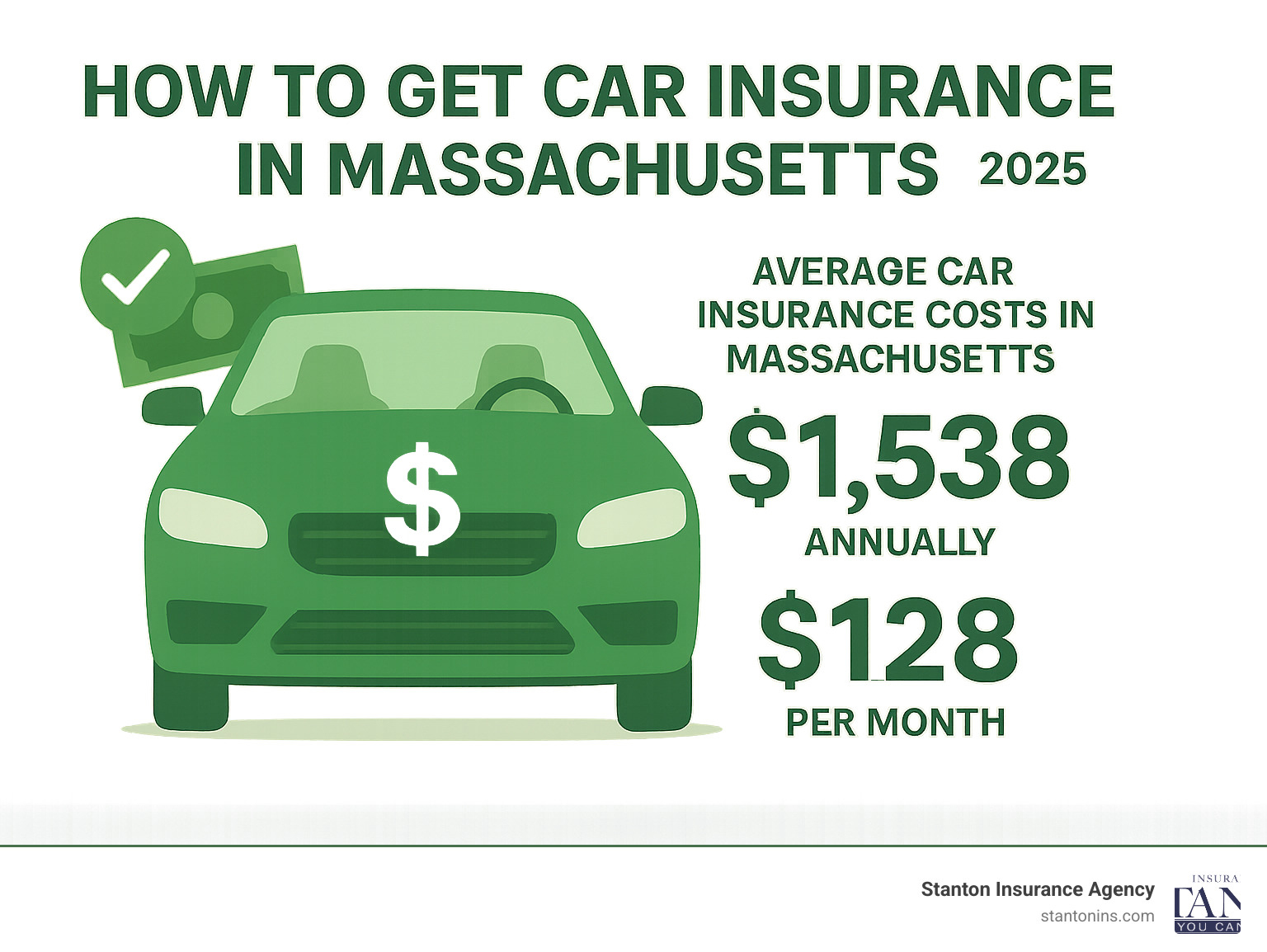
The average cost of auto insurance in Massachusetts is a hot topic among drivers. According to recent statistics, the average annual premium in the state hovers around $1,460, placing Massachusetts among the top tier of states with the most expensive auto insurance. This figure starkly contrasts with the national average of $1,070 per year, highlighting the premium that Bay Staters pay for coverage.
When comparing to other states, drivers in Massachusetts often pay more due to the state’s unique blend of urban concentration and stringent insurance requirements.
Variation of Insurance Costs: Urban vs. Rural
Insurance costs in Massachusetts vary significantly between its bustling cities and serene rural areas. Here’s a snapshot of how these costs play out:
| Area Type | Average Annual Premium |
|---|---|
| Urban Areas (e.g., Boston) | $1,700 |
| Rural Areas (e.g., Berkshire County) | $1,200 |
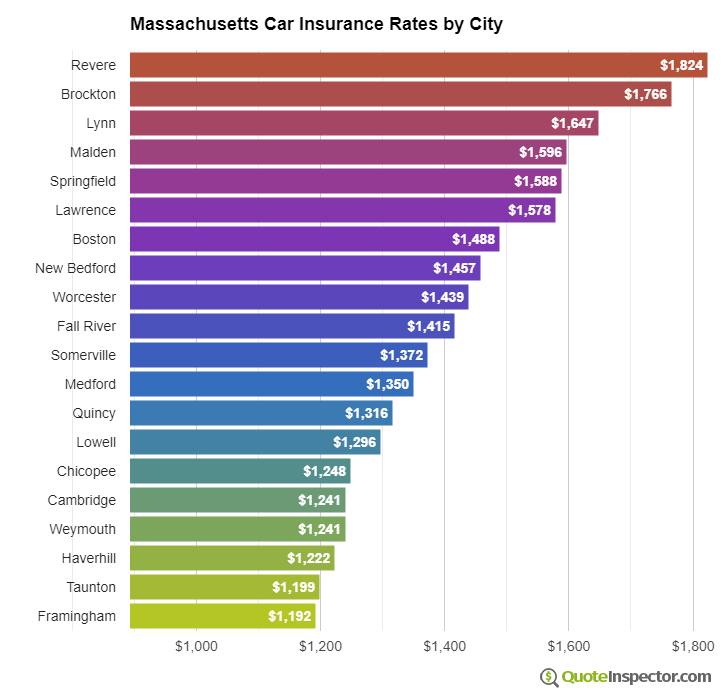
As illustrated above, urban areas like Boston see higher premiums due to factors such as increased traffic, higher accident rates, and greater likelihood of claims. Meanwhile, rural areas benefit from fewer congestion-related risks, leading to lower insurance costs.
Trends in Insurance Costs Over the Past Decade
The past decade has seen a consistent climb in auto insurance premiums across Massachusetts. According to historical data, premiums have increased by roughly 30% over the last ten years. This rise is attributed to various factors, including inflation, increased medical costs, and advancements in vehicle technology that make cars more expensive to repair after accidents.
Understanding these trends is crucial for Massachusetts drivers, as they navigate the financial landscape of auto insurance.
Keeping informed about these trends enables drivers to better anticipate changes in their insurance expenses and explore options for cost-effective coverage.
Discounts and Savings on Auto Insurance
Are you a Massachusetts driver looking to cut down on your auto insurance costs? You’re in luck! There is a plethora of discounts and strategic ways to save on your car insurance.
Understanding and utilizing these discounts not only lightens your financial load but also maximizes the value you get from your insurance. Let’s delve into the specifics, making sure you’re fully equipped to save big.
Potential Discounts for Massachusetts Drivers
Massachusetts insurance providers offer a variety of discounts to reward responsible behavior and certain vehicle features. Here’s a comprehensive list you should consider:
- Good Driver Discount: Maintain a clean driving record, and you could receive this discount.
- Multi-Policy Discount: Bundle your auto insurance with other policies like home insurance to save more.
- Student Discount: If you’re a student with good grades, you may qualify for a reduced rate.
- Safety Features Discount: Cars equipped with modern safety features like anti-lock brakes and airbags often qualify for discounts.
- Low Mileage Discount: Drive less, pay less. If you don’t log many miles, this discount might apply to you.
Insurance Providers and Their Discount Offerings
Here’s a comparison of what different insurance providers in Massachusetts offer in terms of discounts:
| Insurance Provider | Discount Type | Discount Description |
|---|---|---|
| Provider A | Good Student | Discount for students maintaining a B average or better. |
| Provider B | Multi-Policy | Save by bundling auto with home insurance. |
| Provider C | Safe Driver | Lower rates for those without accidents or violations. |
Strategies for Maintaining Low Insurance Premiums
Keeping your insurance premiums low requires more than just taking advantage of discounts. Here are some additional strategies:
- Shop Around: Don’t settle for the first quote you receive. Compare prices from multiple providers for the best deal.
- Regular Reviews: Perform annual reviews of your policy to ensure you’re not paying for unnecessary coverage.
- Increase Deductibles: Opt for a higher deductible, which can significantly reduce your premiums.
- Maintain a Good Credit Score: Insurers often use credit scores to determine rates, so managing your credit can lead to savings.
Being proactive and informed is your best strategy for securing the optimal auto insurance rates in Massachusetts.
Comparing Auto Insurance Providers

When it comes to auto insurance, not all providers in Massachusetts are created equal. The key to securing the best deal is to compare your options thoroughly. It’s time to delve into the nuances of choosing the right provider that fits your lifestyle and budget.
In a state known for its historical landmarks and vibrant culture, Massachusetts residents have a plethora of auto insurance providers at their disposal. However, not all of them might cater to your specific needs. By understanding how to effectively compare these providers, you can ensure that you’re getting the best value for your money without compromising on coverage.
Strategies for Effective Comparison
Comparing insurance providers is much more than just looking at price tags. It’s about understanding the coverage options, customer service quality, and the insurer’s reputation in the market.
- Start by identifying the type of coverage you need. Every driver’s requirements are different, whether it’s comprehensive, liability, or collision coverage.
- Research the financial stability of the company. A financially secure company is more likely to honor claims promptly.
- Examine customer reviews and ratings. These provide insights into customer satisfaction and the insurer’s reliability.
- Seek recommendations from friends or family who have had experience with the provider.
Once you’ve gathered this information, creating a comparison table can be immensely helpful.
| Insurance Company | Coverage Options | Customer Reviews |
|---|---|---|
| Liberty Mutual | Comprehensive, Collision, Liability | 4.5/5 |
| GEICO | Liability, Personal Injury Protection, Uninsured Motorist | 4.3/5 |
| Progressive | Comprehensive, Roadside Assistance, Rental Car Reimbursement | 4.4/5 |
| State Farm | Collision, Medical Payments, Emergency Road Service | 4.6/5 |
Choosing the Best Provider for Your Needs
After narrowing down your options, the final step is selecting the best provider based on your individual needs. Consider the following:
- Personal Budget: What is your budget for auto insurance? Balance between cost and necessary coverage.
- Specific Coverage Needs: Do you need additional coverage like rental reimbursement or roadside assistance?
- Discount Opportunities: Check for available discounts like good driver, multi-policy, or loyalty discounts.
- Convenience and Accessibility: Evaluate the ease of managing your policy online or through an app.
Finding the right auto insurance provider is akin to finding a trustworthy partner. It’s a decision that requires thoughtful consideration and diligence, ensuring that when the rubber meets the road, you’re well-protected.
The Impact of Legislation on Insurance Costs
With the ever-evolving landscape of the auto insurance industry in Massachusetts, legislation plays a pivotal role in shaping the costs that drivers face. It’s essential to understand how these changes can ripple through premium calculations and ultimately affect your wallet.
Recently, Massachusetts has witnessed a series of legislative changes aimed at refining how insurance premiums are structured, with a keen focus on fairness and transparency. These amendments seek to balance the protection for consumers while ensuring that insurance providers can sustainably operate within the state.
Recent Legislative Changes and Their Effects
In the last few years, Massachusetts has introduced specific regulations to address issues such as rate setting, minimum coverage requirements, and consumer rights. For instance, the Massachusetts Division of Insurance has tightened the guidelines for how personal driving records are factored into premium calculations, aiming to reduce disproportionate rate increases based on minor infractions.
These changes provide a more balanced playing field, encouraging insurance providers to adopt more comprehensive evaluation criteria. This can potentially lead to more competitive pricing and better choices for consumers.
State Regulations and Premium Calculations
State regulations in Massachusetts mandate that every auto insurance policy must meet certain minimum coverage levels. These regulations directly influence how premiums are calculated, as insurers must align their offerings to these standards.
- Minimum Liability Limits: These are the lowest amounts that policies must cover, impacting the base rate for premiums.
- Rating Factors: Regulations may dictate which factors insurers can use to determine rates, such as age, driving history, and vehicle use.
- Risk Assessment: Legislative requirements ensure risk evaluations are standardized across the board, leading to more consistent premium rates.
Future Legislative Proposals and Their Potential Impact
The future of auto insurance costs in Massachusetts could be significantly influenced by proposals currently under consideration. Legislators are looking at initiatives that might further regulate how ancillary fees are applied, or how telematics data is used to assess individual driving habits.
Should these proposals pass, they could lead to more personalized insurance products, potentially lowering costs for safe drivers while maintaining adequate protection for higher-risk individuals. Insurance providers might be compelled to innovate, offering tailored policies that more accurately reflect the driving behaviors and needs of their customers.
As the legislative landscape continues to evolve, staying informed is crucial for making the most of your auto insurance options.
Final Summary
In a world where every penny counts, being savvy about your auto insurance can lead to substantial savings. By staying informed about the average auto insurance cost in Massachusetts and leveraging available discounts, you can keep more money in your pocket. Start comparing providers today, and drive with confidence knowing you’ve made the best choice for your coverage needs.

