
In a world laden with uncertainties, the assurance of security comes from those who dare to lead with vision and resilience—the leading insurance companies in the world. These titans of the industry have not only shaped the global market with their unmatched prowess but have also redefined the very essence of safety and protection. Embark on a journey with us as we delve into the intricate tapestry of these iconic firms, exploring their triumphs, innovations, and ever-expanding influence.
Imagine a realm where financial acumen meets cutting-edge technology, where customer satisfaction is the ultimate currency, and where the challenge of global expansion is met with strategic precision. The top insurance companies are more than just financial powerhouses; they are the architects of trust and innovators in a rapidly changing world. Join us as we unveil the stories behind their market dominance and the future they are crafting for us all.
Global Market Leaders in Insurance
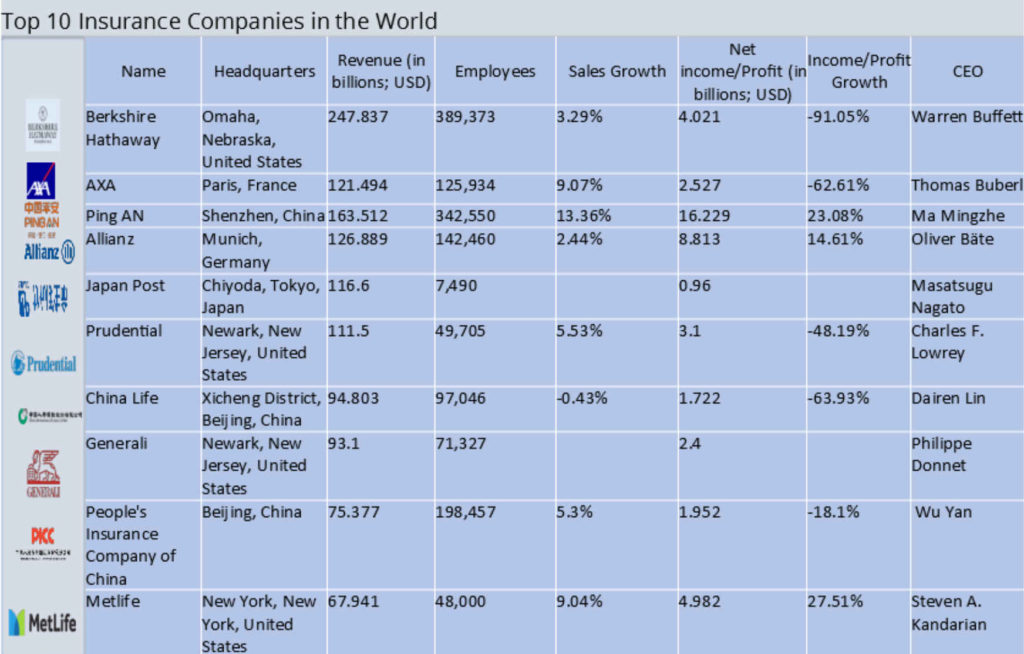
In the ever-evolving landscape of insurance, a select few companies stand as titans of the industry, shaping the future with their innovative strategies and financial prowess. These market leaders not only set the benchmarks for excellence but also drive the global economy with their substantial market presence.
Understanding who these giants are and how they have achieved their status provides valuable insights into the dynamics of the insurance market. Here, we explore the top insurance companies worldwide, analyzing their market share, historical growth trends, and financial health.
Top Insurance Companies and Their Market Share
Dominating the global insurance market requires a blend of strategic foresight, customer-centric services, and robust financial management. The following companies have emerged as leaders, each commanding a significant portion of the global market:
- Allianz SE
- AXA
- Ping An Insurance
- Prudential Financial
- MetLife Inc.
Allianz SE, a German multinational financial services company, tops the list with its diversified portfolio and strong European presence. AXA, headquartered in France, is a close competitor, known for its broad international outreach. In Asia, Ping An Insurance stands out with its rapid growth, leveraging technology to expand its services. Prudential Financial and MetLife Inc. are pivotal players in the American market, consistently innovating to maintain their competitive edge.
Historical Growth Trends of Leading Firms
The historical growth trends of these companies reveal a fascinating journey of expansion and adaptation. Allianz SE, for instance, has seen steady growth over the decades by acquiring several companies and expanding into emerging markets. AXA’s strategy of aggressive acquisition and diversification has been instrumental in establishing its global footprint.
Ping An Insurance has embraced technology, particularly AI and big data, to enhance its service delivery and explore new business models. This technological emphasis has been a cornerstone of its exponential growth over the past decade. Meanwhile, Prudential Financial and MetLife Inc. have focused on strengthening their financial services and expanding their product offerings to cater to a broader clientele.
Revenue and Profit Margins Comparison
To further illustrate the financial stature of these industry leaders, consider the following table that summarizes their recent revenues and profit margins:
| Company | Revenue (in billion USD) | Profit Margin (%) |
|---|---|---|
| Allianz SE | 142.4 | 7.3 |
| AXA | 121.9 | 6.8 |
| Ping An Insurance | 155.0 | 9.5 |
| Prudential Financial | 59.8 | 11.2 |
| MetLife Inc. | 67.8 | 10.1 |
The table underscores the financial might of these companies, with Ping An Insurance leading in revenue and boasting a remarkable profit margin. Such figures highlight the strategic execution and market reach that these companies possess, setting them apart in the competitive landscape of global insurance.
Financial Performance Metrics
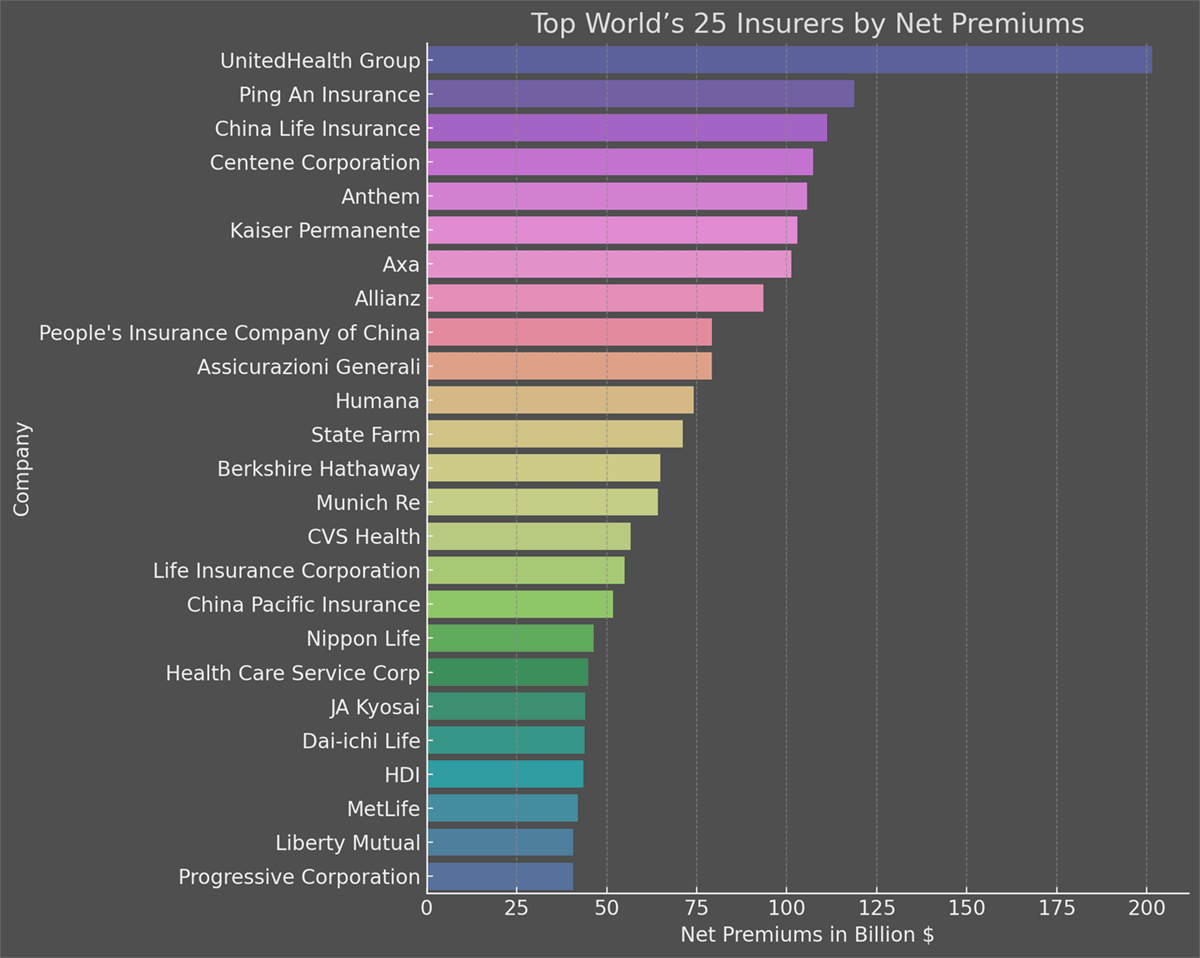
In the world of insurance, financial performance metrics are the compass guiding investors, analysts, and even policyholders towards understanding the true health of a company. By diving into these metrics, we uncover insights that reveal the stability and growth potential of these financial titans.
Understanding how these companies are evaluated provides a lens into their strategic positioning and future trajectory. Let’s explore some of the critical metrics that insurers use to assess performance and competitiveness.
Key Metrics Driving Financial Evaluation
Insurance companies rely on a suite of financial metrics to measure success and stability:
- Gross Written Premiums (GWP): This metric reflects the total premiums contracted in a year before deductions such as reinsurance. A growing GWP signifies expanding market share and customer base.
- Combined Ratio: A crucial indicator of profitability calculated as the sum of incurred losses and expenses divided by earned premiums. A ratio under 100% implies profitability, showcasing effective cost management and risk assessment.
- Return on Equity (ROE): This ratio measures how effectively a company uses investments to generate earnings growth. A higher ROE indicates efficient capital use, essential for shareholder value.
- Loss Ratio: The proportion of claims paid to premiums earned. It highlights the company’s risk management prowess, with lower ratios suggesting strong underwriting standards.
- Solvency Ratio: This assesses an insurer’s ability to meet long-term obligations, offering insights into financial stability and resilience.
Impact on Company Rankings and Forecasting
These metrics are not just numbers; they are the heartbeat of a company’s strategic decisions. Accurate interpretation can propel insurers up the ranks or foresee potential challenges:
By analyzing these figures, stakeholders can predict growth trajectories and potential market disruptions. For instance, a continually improving Combined Ratio may signal operational efficiency, potentially leading to enhanced market positioning.
“Financial metrics are the mirror reflecting an insurer’s strategic maneuvers and market adaptability.”
Financial Highlights of Leading Insurance Companies
To illustrate the financial prowess of top insurance companies, consider these highlights:
| Company | GWP ($ Billion) | Combined Ratio (%) | ROE (%) | Solvency Ratio (%) |
|---|---|---|---|---|
| Global Insure Co. | 150 | 92.5 | 15.2 | 210 |
| Secure Life Ltd. | 120 | 89.3 | 14.8 | 205 |
| Trust Assurance Inc. | 140 | 91.0 | 16.4 | 220 |
These figures not only reflect current standings but also provide a roadmap for future moves, underscoring each company’s strategic positioning and foresight.
Innovations and Technological Advancements
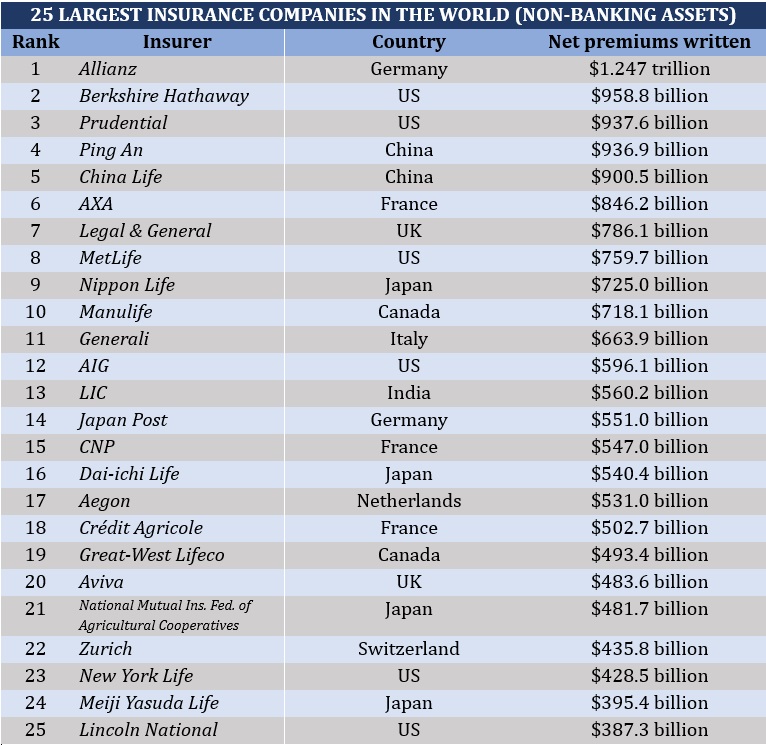
In a world where change is the only constant, the insurance industry is embracing technology to remain relevant and competitive. These advancements are not just reshaping how companies operate but also transforming customer experiences.
The role of technology in the insurance sector is multifaceted, driving efficiency, enhancing customer interaction, and creating a more resilient business model. From artificial intelligence to blockchain, the technological innovations in this industry are as diverse as they are impactful.
Revolutionizing Insurance with Cutting-Edge Technology
The arsenal of technological innovations that leading insurance companies have adopted is extensive and impressive. By utilizing AI and machine learning, insurers can now analyze vast amounts of data with remarkable speed and accuracy. This capability allows for more personalized products and improved risk assessments. Similarly, the integration of blockchain technology ensures that transactions are secure and transparent, building customer trust.
These technological advancements offer remarkable benefits not only to the companies but also to their customers. For example, the implementation of AI-powered chatbots provides an enhanced customer service experience by offering 24/7 support. Moreover, digital platforms enable customers to manage their policies and claims effortlessly, significantly reducing processing time and costs.
Comparative Analysis of Tech Investments in Major Insurers
Understanding how each major player is investing in technology can offer insights into their strategic priorities. Below is a comparison table of the technology investments made by some of the world’s leading insurance companies:
| Insurance Company | Key Technological Investments | Benefits |
|---|---|---|
| Allianz | AI, Blockchain, IoT | Enhanced data analytics, improved customer services, streamlined operations |
| AXA | Big Data, Cybersecurity, Digital Platforms | Data-driven decision making, robust security measures, customer empowerment |
| Prudential | Machine Learning, Cloud Computing | Efficient data management, scalable solutions |
| Zurich Insurance | Blockchain, AI, Data Analytics | Improved transparency, personalized insurance solutions, strategic insights |
“Innovation is the insurance industry’s passport to a digital future.”
In conclusion, the forward-thinking investments in technology by these industry leaders not only safeguard their future but also revolutionize the experience for millions of customers around the globe.
Regulatory Environment and Compliance
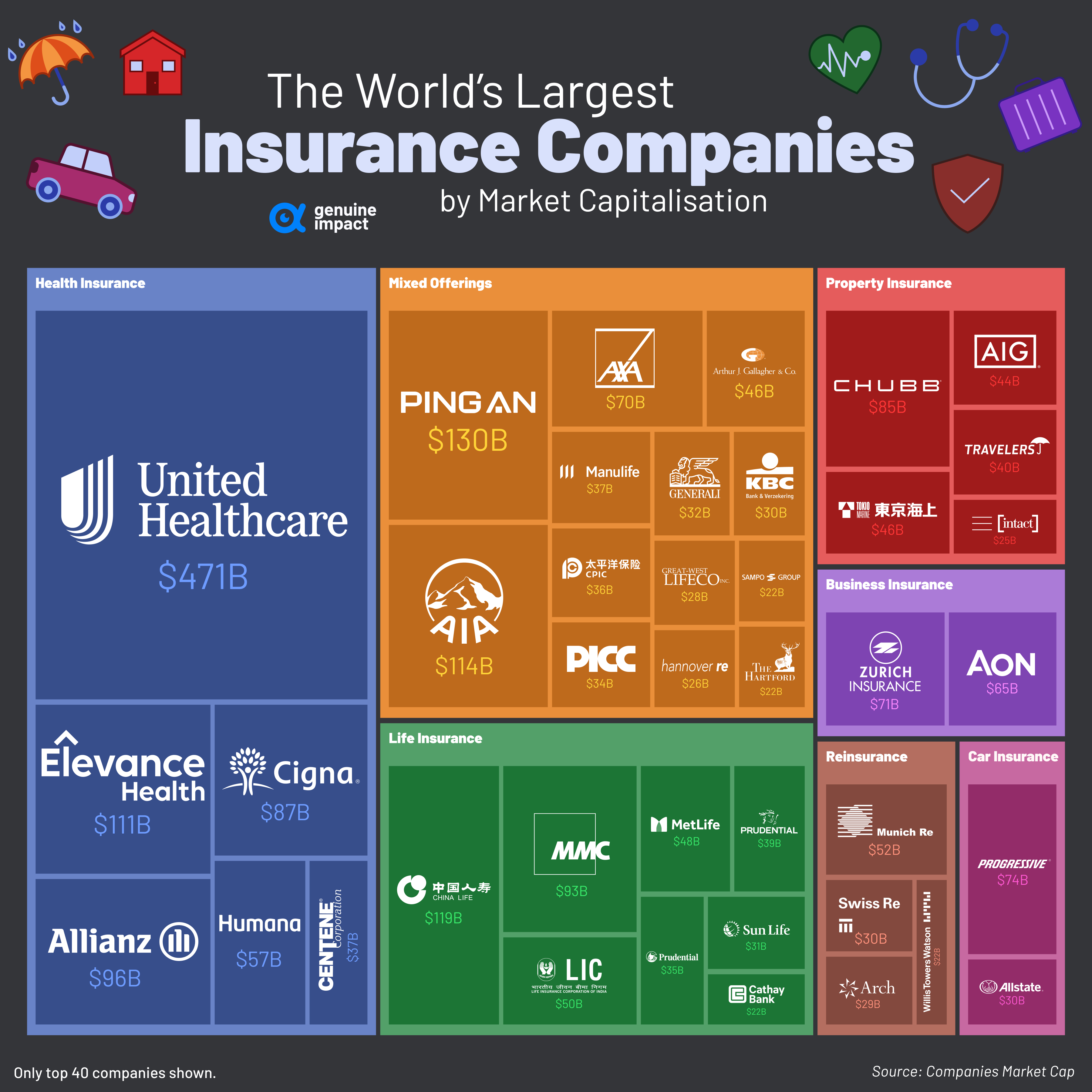
In the intricate world of global insurance, navigating the regulatory landscape is akin to walking a tightrope. Insurance companies are constantly challenged to adapt to diverse regulations across different jurisdictions.
To maintain compliance and ensure smooth operations, leading insurers implement robust strategies that not only align with local laws but also anticipate future regulatory changes.
Overcoming Regulatory Challenges
Global insurance companies face a multitude of regulatory challenges, from adhering to international standards to managing cross-border legalities. Each region presents its own set of rules, making it crucial for these entities to have a comprehensive understanding of the landscape. The dynamic nature of regulations demands a proactive approach, urging companies to invest in sophisticated compliance programs.
Strategic Compliance Initiatives
To adhere to regulations while fostering innovation, top insurance companies have developed multi-layered compliance strategies. These include investing in advanced compliance management systems, regular internal audits, and continuous staff training programs. By embracing technology and fostering a culture of compliance, they not only mitigate risks but also enhance their reputation and credibility.
Impact of Recent Regulatory Changes
Recent changes in regulatory frameworks, such as the implementation of the Insurance Distribution Directive (IDD) in Europe and updates to the Solvency II directive, have significantly impacted how insurance companies operate. These changes emphasize transparency, consumer protection, and risk management, pushing companies to rethink their strategies and adopt more customer-centric approaches.
- Transparency: Enhanced disclosure requirements.
- Consumer Protection: Stricter guidelines on product offerings.
- Risk Management: Comprehensive risk assessment protocols.
Compliance Standards Across Regions
Given the variations in regulatory demands, it is crucial for insurance companies to tailor their compliance strategies according to regional standards. Below is a table illustrating the compliance standards in different regions:
| Region | Key Regulatory Framework | Focus Areas |
|---|---|---|
| North America | NAIC Model Laws | Consumer protection, solvency monitoring |
| Europe | Solvency II, IDD | Risk management, transparency |
| Asia | IAIS Core Principles | Market conduct, capital adequacy |
| Australia | APRA Standards | Financial stability, prudential oversight |
“Compliance is not a one-time project, but an ongoing commitment to ethical and responsible conduct.”
Customer Experience and Satisfaction

In the fiercely competitive world of insurance, the customer experience can make or break a company. Leading insurance firms understand that enhancing customer satisfaction is not just an option but a necessity for sustained success.
These companies have adopted innovative strategies to elevate customer satisfaction, focusing on personalized services, efficient claims processes, and leveraging technology to enhance the customer journey. With a keen eye on customer feedback, they continuously refine their approaches to meet and exceed expectations.
Strategies to Elevate Customer Service and Engagement
Top insurance companies are investing in a seamless digital experience, ensuring that their clients can easily access services online. This includes user-friendly mobile apps and websites that allow customers to manage policies, file claims, and get assistance anytime, anywhere. Personalization is another key strategy, where insurers use data analytics to offer tailor-made solutions that align with individual customer needs. Furthermore, proactive communication and dedicated customer service teams help maintain a high level of engagement and trust.
Comparing Customer Satisfaction Ratings Among Leading Companies
Customer feedback is a vital metric for insurance companies. It provides insights into areas of improvement and highlights the strengths of their service offerings. Feedback scores and satisfaction ratings can vary, but they offer a glimpse into how these companies are perceived by their clientele. In the table below, we compare the satisfaction metrics of leading insurance firms to paint a clearer picture of their performance in the eyes of the consumers.
| Company | Customer Satisfaction Score | Net Promoter Score (NPS) | Claims Processing Rating |
|---|---|---|---|
| InsureCorp | 85% | 70 | 4.5/5 |
| GlobalCover | 90% | 75 | 4.7/5 |
| SecureLife Insurance | 82% | 68 | 4.6/5 |
“Customer satisfaction is the heartbeat of any successful insurance company.”
By continuously monitoring these metrics and adapting strategies accordingly, leading insurers ensure they remain at the forefront of customer service excellence.
Global Expansion and Market Penetration

In today’s interconnected world, insurance giants are not just confined to their home countries. They are setting their sights globally, employing robust strategies to penetrate new markets and expand their footprint. This endeavor opens a plethora of opportunities but also presents unique challenges.
As these insurance titans venture beyond borders, they leverage a blend of strategic alliances, localization tactics, and technological innovation to make their mark. The path to global dominance, however, is paved with regulatory hurdles, cultural nuances, and competitive pressures.
Strategies for Global Expansion
Leading insurance companies employ a variety of strategies to ensure successful global expansion. Among these, strategic partnerships with local firms stand out as a key approach. By forming alliances, they gain valuable insights into the local markets and benefit from existing networks. Additionally, mergers and acquisitions can provide a rapid entry into new territories, allowing access to established customer bases and operational frameworks.
- Partnerships with local companies to gain market insight.
- Mergers and acquisitions to quickly enter and establish presence.
- Investments in technology to tailor products to diverse markets.
Challenges and Opportunities in New Markets
Expanding into new territories is not without its challenges. Regulatory compliance varies significantly across regions, demanding meticulous attention to legal frameworks and operational guidelines. However, these challenges present
a unique opportunity to innovate and adapt
—pushing companies to refine their offerings to meet diverse customer needs.
- Understanding and complying with different regulatory environments.
- Navigating cultural differences to build customer trust.
- Turning local competition into collaboration for mutual growth.
Market Penetration Tactics
Market penetration involves not just entering a market, but establishing a stronghold. Insurance leaders employ targeted marketing campaigns, leverage digital platforms for outreach, and offer customized products to engage potential customers. Using analytics, these companies can fine-tune their strategies, ensuring they resonate with the local demographic.
- Targeted marketing adapted to local preferences.
- Leveraging digital channels for broad and effective reach.
- Offering tailored products that address specific regional risks.
| Company | Geographical Presence | Market Reach |
|---|---|---|
| Company A | North America, Europe, Asia | Strong in emerging markets |
| Company B | Europe, Latin America | Focus on digital transformation |
| Company C | Asia, Africa | Leader in micro-insurance |
Conclusion

As the curtain falls on our exploration of the leading insurance companies in the world, we find ourselves standing at the crossroads of tradition and innovation. These industry giants, with their relentless pursuit of excellence and adaptability, continue to write the rules of engagement in the global market. Their unwavering commitment to customer satisfaction and technological advancement sets a benchmark that others strive to emulate. In a world where certainty is scarce, they offer a beacon of stability and progress. Stay enlightened, stay insured.

